
Aluminum vs. uPVC Windows : Key Differences Homeowners Should Know

Curious how to choose between uPVC and Aluminum for your windows and doors? You’re not alone. The right frame material influences comfort, energy bills, maintenance, and long‑term value. This guide explains the essentials in plain language.
At GALAA, we use uPVC, not Aluminum - because for most homes, uPVC delivers the best mix of thermal performance, low upkeep, and value.
In a hurry?
uPVC: Best for energy efficiency, sound reduction, and low maintenance.
Aluminum: Best for ultra‑slim sightlines and very large openings.
Energy Efficiency & Everyday Comfort
If you want cozier rooms and lower heating and cooling costs, uPVC holds the edge. uPVC has naturally low thermal conductivity, modern multi‑chamber profiles and high‑quality gaskets that limit heat transfer and drafts. That means steadier indoor temperatures & fewer cold spots near the glass, in addition to less condensation risk.
Aluminum is strong, but highly conductive. Good Aluminum systems combat this with thermal breaks (insulating barriers) and advanced glazing, which help a lot. However, like‑for‑like, uPVC generally achieves better U‑values at comparable budgets. In practical terms, uPVC frames typically keep heat out in the summer and in during the winter more effectively, which is why GALAA uses uPVC over Aluminum for residential performance.
Want to see how uPVC could affect your energy bills? Book a quick, no‑pressure chat with GALAA.
Durability & Maintenance
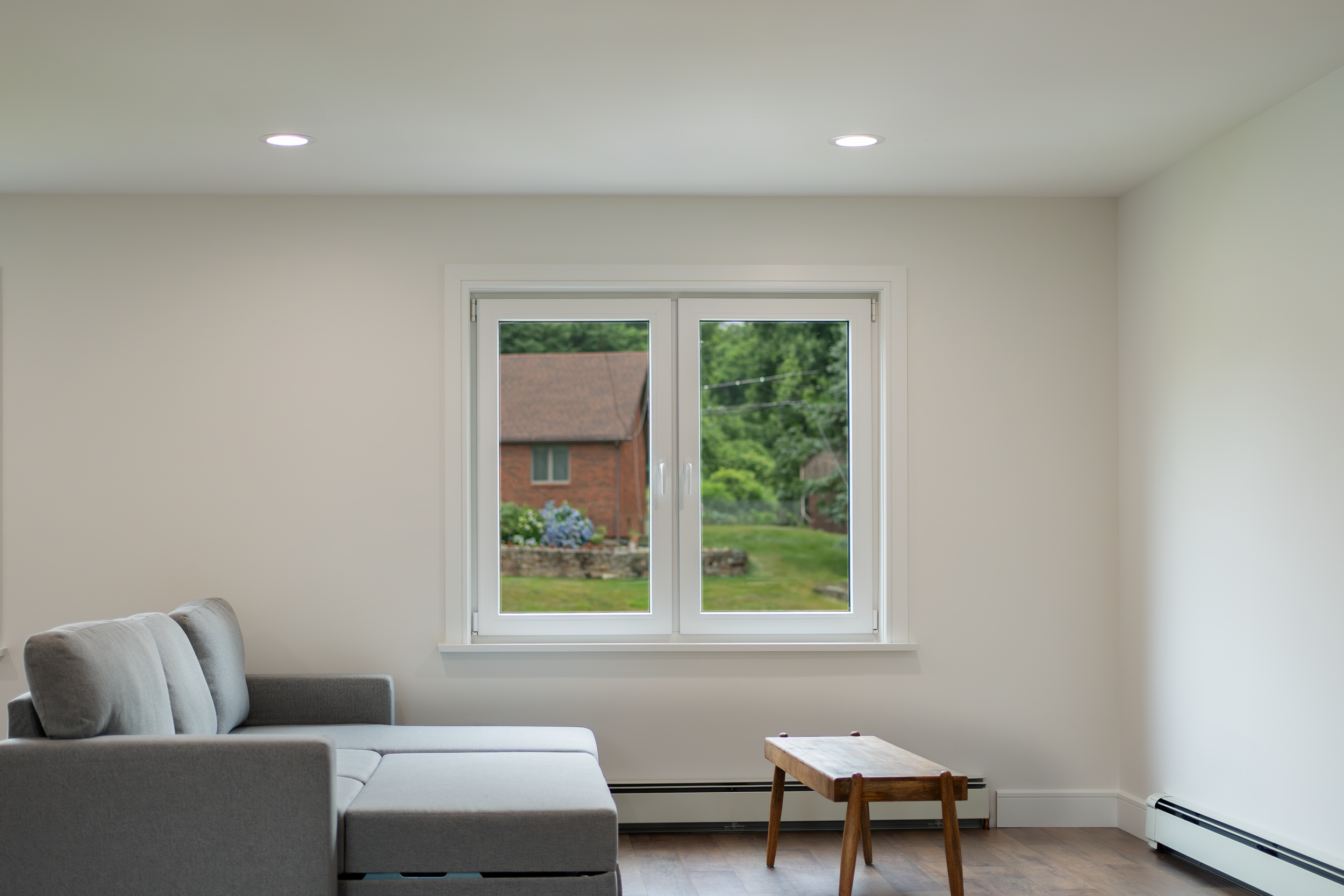
Homeowners often underestimate how much upkeep frames need. uPVC won’t rot, flake, or rust. It’s immune to termites and doesn’t need repainting, usually just requiring soap‑and‑water cleaning. Quality uPVC retains its finish for decades, and most service calls focus on hardware tuning rather than the frame itself.
Aluminum resists warping and is dimensionally stable, which is great for big spans and frequent operation. With high‑grade powder coating, it stands up well over time. In coastal or industrial areas, Aluminum can pit without proper specification and care; choosing marine‑grade finishes and regular rinsing helps. uPVC, by contrast, is inherently unaffected by moisture and salt, which simplifies life for many homeowners.
Design, Sightlines & Flexibility
If your top priority is ultra‑slim frames and a sleek, modern aesthetic, Aluminum shines. Its structural strength allows for narrow sightlines and expansive panes, making it great for contemporary architecture and panoramic views.
Modern uPVC has come a long way in design. Today’s profiles are cleaner, with crisp edges, refined proportions, and a wide palette of colors and wood‑grain laminates. Frames are usually a bit wider than Aluminum, but many homeowners prefer the added insulation and quieter interiors they deliver. For most residential styles, including traditional, transitional, or modern, uPVC delivers both form and function.
Acoustic Performance & Airtightness
Traffic, neighbors, and city life can make interiors noisy. With multi‑chamber profiles and robust seals, uPVC reduces sound transmission exceptionally well - especially when paired with laminated or asymmetric glazing. Aluminum systems can also be quiet when engineered with high‑quality gaskets and glass, but uPVC’s inherent mass and air‑tight construction give it a consistent advantage for everyday noise control.
Security & Structural Strength
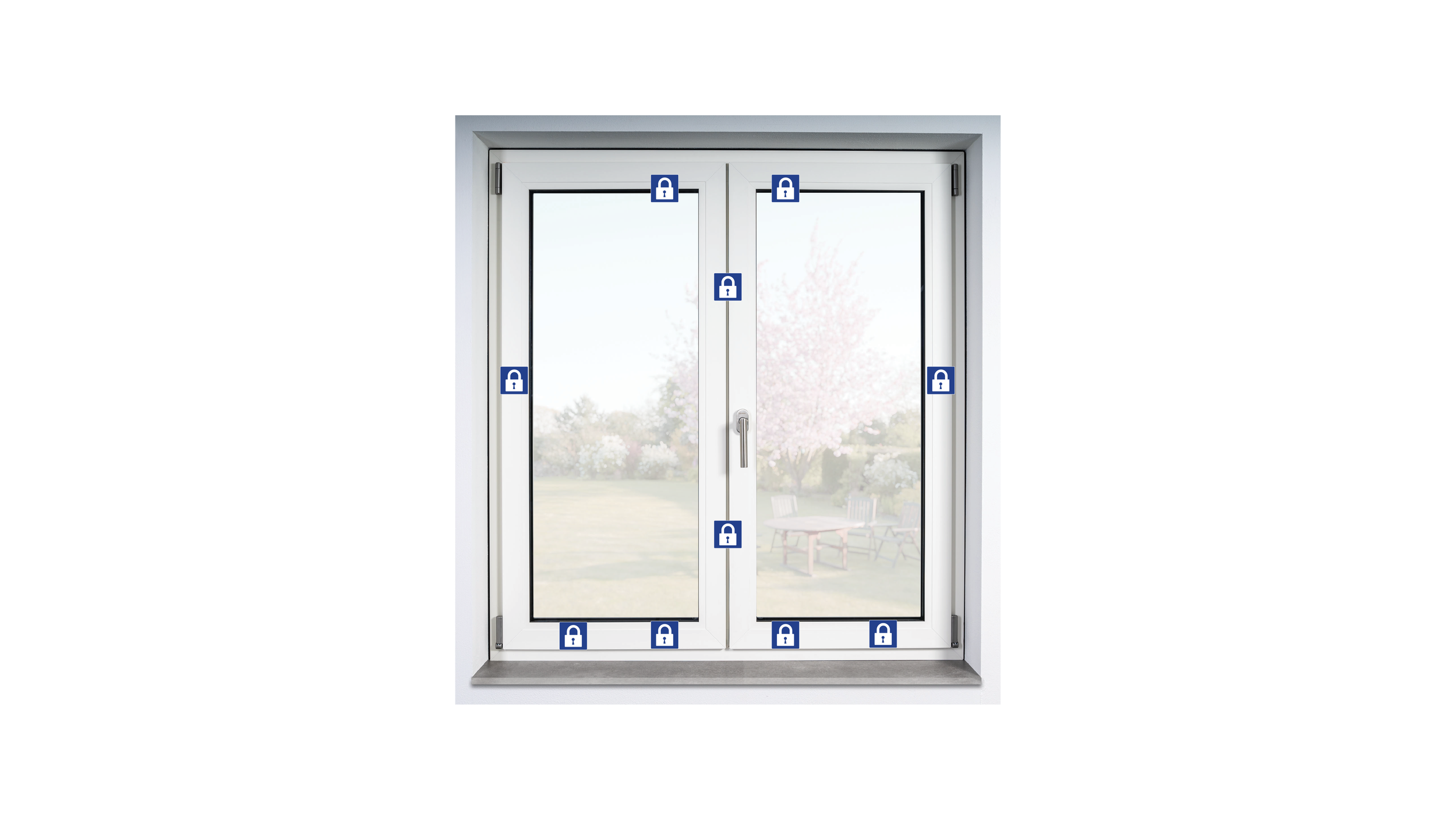
Both uPVC and Aluminum can support multi‑point locks, reinforced sashes, and security glazing. For exceptionally large sliders or lift‑and‑slide doors, Aluminum’s stiffness is a clear asset. In uPVC systems, internal steel or composite reinforcements provide the needed strength for common residential sizes - another reason GALAA uses uPVC for most home applications.
Sustainability & Lifecycle
Sustainability isn’t only about materials; it’s also about operational energy over decades. uPVC reduces heating and cooling demand, which lowers lifetime emissions. It’s also recyclable at end‑of‑life. Aluminum is highly recyclable, too, and recycled Aluminum has a much smaller footprint than primary production. If your project truly needs Aluminum (e.g., very large spans), seek thermally broken frames and high‑performance glass to minimize energy use.
Cost & Long‑Term Value
In many markets, uPVC offers a lower upfront cost and higher thermal performance per dollar, delivering faster payback in energy savings. Aluminum often costs more for equivalent performance, especially with advanced thermal breaks. If you’re optimizing for comfort, bills, and minimal upkeep, uPVC usually wins on long-term value.
Considering costs for your specific openings?
Ask GALAA for a tailored uPVC estimate with no obligation.
When Aluminum Is the Right Fit
Choose Aluminum when your design demands:
Very large openings or thin‑profile aesthetics.
A commercial/ultra‑modern look with crisp, minimal lines.
High‑traffic or specialty doors where rigidity is paramount.
If you go this route, insist on thermally broken frames, quality powder coating, and high‑performance glazing to protect comfort and efficiency.
When uPVC Is the Smarter Default
Pick uPVC if you want:
Top‑tier energy efficiency without overspending.
Low maintenance (no painting, no corrosion worries).
Quieter interiors thanks to better airtightness and insulation.
Consistent residential value across styles and climates.
This is why GALAA uses uPVC, as it reliably delivers what homeowners care about the most: comfort, simplicity, and savings.
The Takeaway
Both uPVC and Aluminum have clear strengths. If your project is a design‑driven showcase with huge glass openings, Aluminum may be the best tool for the job. For the vast majority of homes & projects, uPVC offers better everyday comfort, lower energy bills, less maintenance, and excellent value.
