

When the recent cold snap swept across New England, homeowners felt it immediately. Sub-zero mornings and heating systems working overtime reminded many of a simple truth: winter weather doesn’t test your home evenly. It tests your windows first.
In a region where seasonal swings are dramatic and winter can be relentless, window performance is about more than comfort. It’s about performance under the harshest circumstances, and reliable systems that remove unnecessary stress from already trying conditions.
At GALAA Windows, based in Plainville, Connecticut, every system is engineered with these realities in mind. From double and triple glazing to high-performance uPVC profiles and precision installation standards, GALAA windows are designed to thrive in extreme cold - without forcing your home to work harder than it should.
New England Winters - A True Test of Window Performance
New England weather has a distinct personality, especially in the winter. We experience rapid temperature drops, coastal winds, major snowstorms, and extended cold periods that push building materials to their limits.
During a cold snap, three things typically happen inside a home:
Heat escapes through weak window systems
Cold air infiltrates through poor seals
Condensation can form on interior glass surfaces
These issues are not just inconvenient. They increase heating demand, strain HVAC systems, and can lead to long-term moisture concerns. On top of this, your energy bills start to look even scarier the more extreme the weather gets.
High-performance windows are engineered to address these challenges at the source.
The Science of Thermal Performance in Windows
To understand why some windows perform better than others in winter, it helps to look at how heat moves.

Understanding Heat Transfer in Winter
Heat escapes in four primary ways:
Conduction – Heat passes through solid materials like glass or framing.
Convection – Air movement between panes or around frames transfers warmth outward.
Air Infiltration – Cold air leaks into the home through gaps.
Radiation – Heat radiates from warm surfaces toward colder exterior conditions.
A well-designed window system, such as GALAA’s window lines, will minimize all four.
Why U-Value and Insulation Matter
In simple terms, a lower U-value means better insulation. It indicates how effectively a window resists heat transfer. For homeowners and builders, this translates to:
More stable indoor temperatures
Reduced cold drafts
Lower heating demand
Improved overall comfort
GALAA windows are engineered with thermal efficiency as a core design principle, ensuring performance during both winter cold and summer heat.
Double & Triple Glazing: Built for Extreme Cold
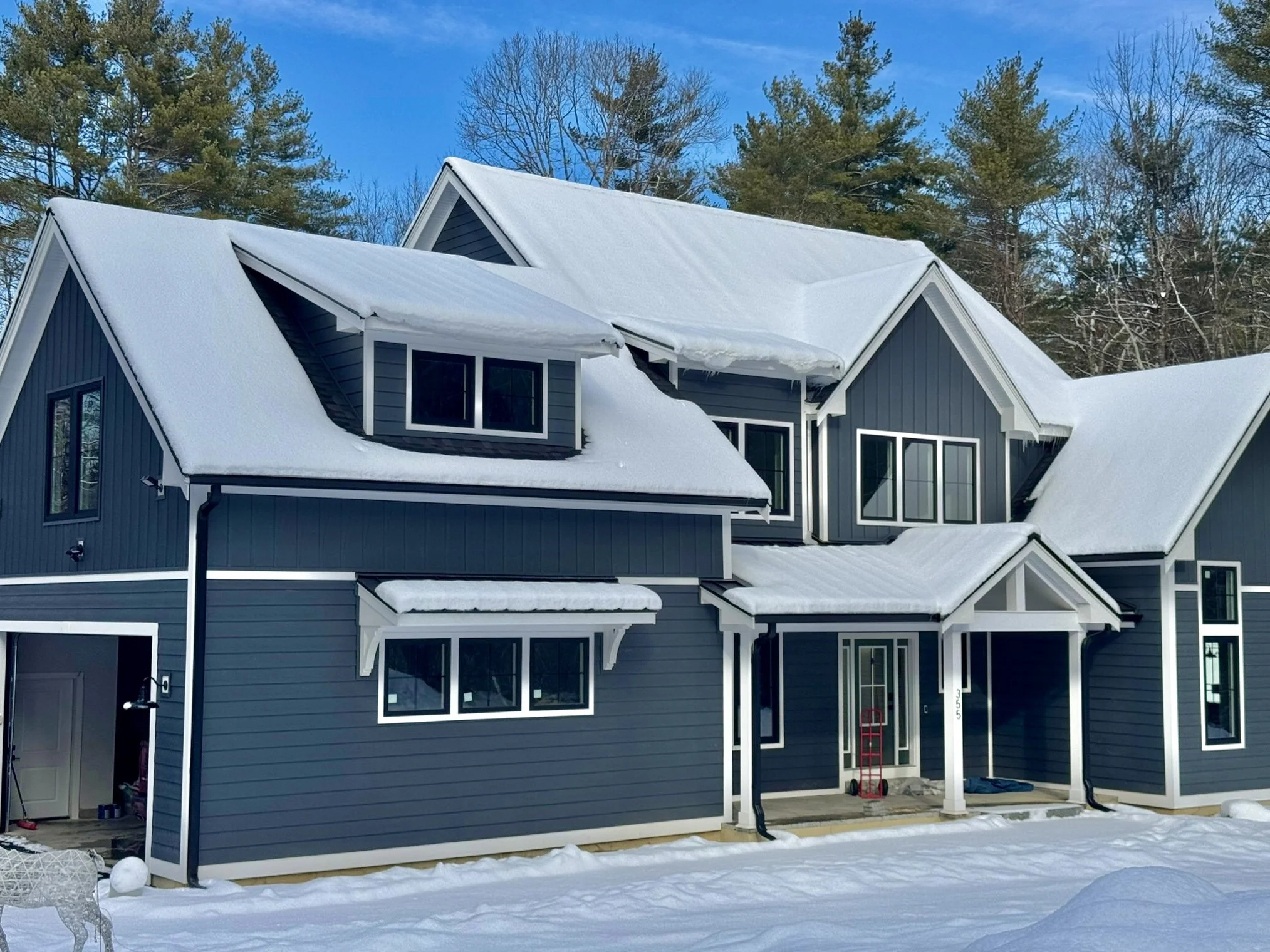
One of the most important contributors to winter performance is glazing configuration. At GALAA, we use Cardinal Glass across all of our systems for the highest quality & performance, regardless of glazing configuration.
Double Glazing Performance
Double-glazed units consist of two panes of glass separated by an insulating air or gas-filled space. This creates a thermal barrier that significantly reduces heat transfer compared to single-pane systems.
For many New England homes, double glazing delivers strong cold-weather performance by significantly reducing heat loss while maintaining clarity and long-term durability. At GALAA, double glazing isn’t considered an upgrade - it’s the baseline. Every GALAA window system begins with this level of thermal protection, ensuring dependable performance and energy efficiency at a practical & accessible investment.
Triple Glazing for Maximum Thermal Protection
For homeowners and builders seeking enhanced insulation - particularly in areas exposed to high winds or extended freezing temperatures - triple glazing adds another layer of protection.
With an additional pane and insulating chamber, triple-glazed units:
Further reduce heat loss
Increase interior glass surface temperature
Lower condensation risk during deep freezes
Improve overall energy efficiency
The result is a more consistent indoor environment, even when temperatures drop well below freezing.
Why uPVC Profiles Perform Exceptionally in Freezing Temperatures
The frame is just as important as the glass.
GALAA window systems use GEALAN’s high-performance uPVC profiles that are exceptionally well-suited for cold climates.
Unlike materials that conduct heat readily or expand and contract significantly with temperature swings, uPVC offers:
Low thermal conductivity
Structural stability in fluctuating temperatures
Resistance to moisture-related degradation
Long-term durability in harsh weather
In New England winters, where freeze-thaw cycles are common, material stability matters. A stable frame ensures seals remain tight and glazing units perform as intended.
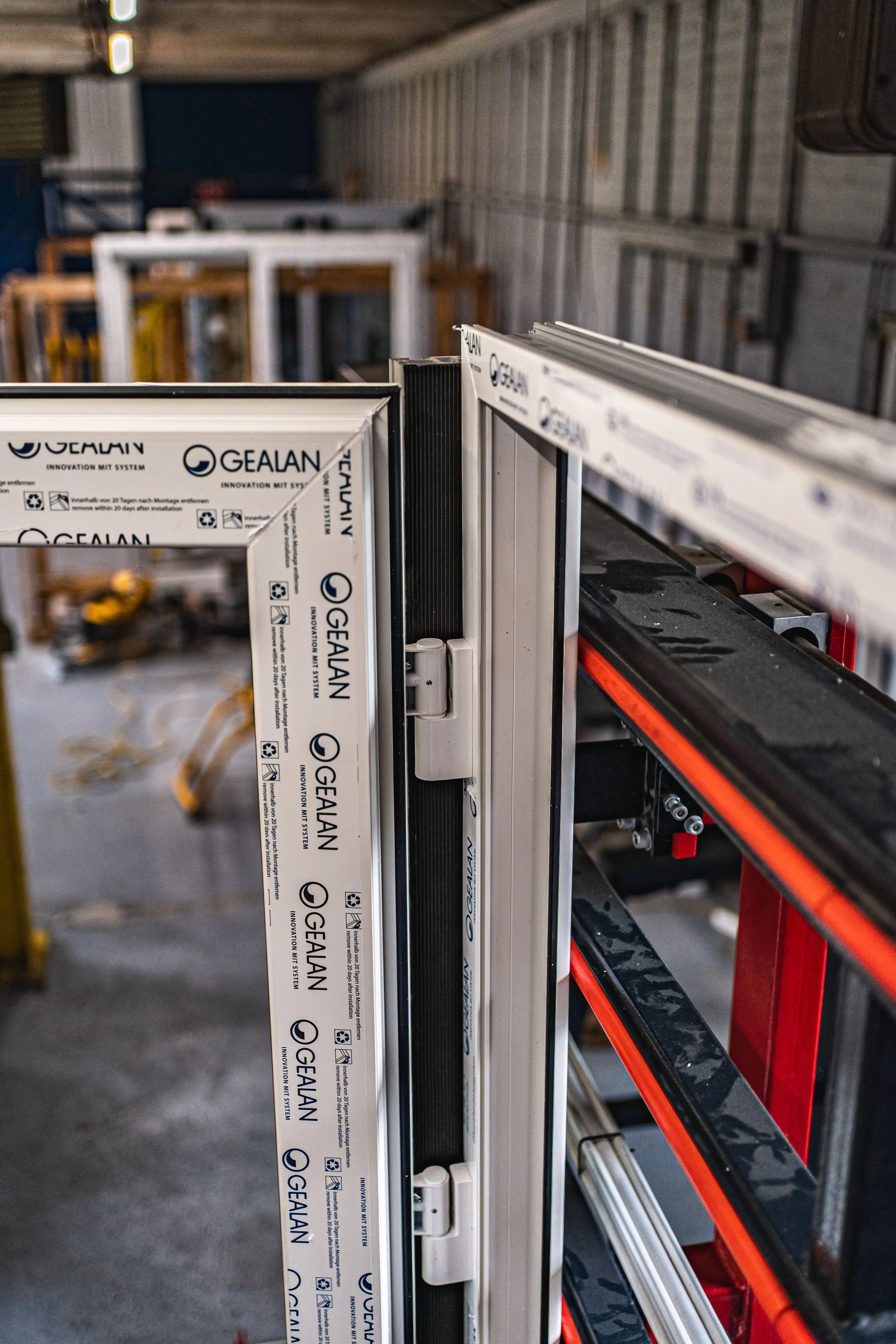
Dual & Triple Sealing Systems: Where Real Insulation Happens
While glazing and frame materials are critical, much of a window’s real-world winter performance comes down to sealing.
GALAA windows offer dual and triple sealing configurations intentionally designed to:
Minimize air infiltration
Maintain compression during temperature shifts
Block wind-driven drafts
Preserve interior comfort
During a cold snap, high winds can expose weaknesses in lower-quality systems. Properly engineered seals prevent cold air intrusion and protect the thermal envelope of the home.
For builders, this consistency is essential. For homeowners, it’s something you feel (or rather, don’t feel!) when standing near the window on a January morning.
Installation Matters as Much as the Window Itself
Even the most advanced window system can underperform if installed incorrectly.
Precise installation ensures that:
Frames are properly aligned
Gaps are insulated and sealed
Flashing protects against moisture intrusion
Air barriers remain continuous
At GALAA, installation standards are treated as an extension of product performance. Detailed instructions are available through our GALAA Installation Guidelines, which outline best practices to maintain thermal integrity and long-term durability.
For builders, adherence to proper installation measures ensures that performance specifications translate into real-world results. For homeowners, it provides peace of mind that their investment will function as designed.
Designed in Connecticut for New England Conditions
GALAA Windows operates from Plainville, Connecticut, in the heart of Hartford County. Being based squarely within the climate we serve means we understand the challenges & conditions that New Englanders face - in fact, GALAA was built to help overcome these challenges for your home.
This regional presence matters.
Designing and manufacturing for New England means understanding:
Seasonal extremes
Coastal and inland weather patterns
Energy efficiency expectations
Local building standards
The recent cold snap was not an anomaly. It was a reminder of what homes in our region endure winter after winter. Systems engineered locally for these conditions are better prepared to handle them for years to come.
Winter Comfort Without Overworking Your Home
When windows perform properly, your heating system doesn’t have to compensate for energy loss.
High thermal performance results in:
Reduced HVAC strain
More consistent indoor temperatures
Improved energy efficiency
Long-term operational savings
In extreme cold, this balance becomes especially noticeable. Instead of fluctuating temperatures or drafty areas near window openings, the indoor environment remains steady and comfortable.
For homeowners, that means fewer surprises on energy bills.
For builders, it means delivering homes that perform as promised.
Performance You Can Feel When Temperatures Drop
Winter in New England will always be demanding. Arctic blasts will return. Wind will find weak points. Temperature swings will test materials.
What matters is how your windows respond.
With thoughtfully engineered double and triple glazing options, high-performance uPVC profiles, advanced sealing systems, and detailed installation standards, GALAA windows are built to maintain thermal integrity when it matters most.
Performance isn’t just about ratings on paper. It’s about comfort you notice when stepping into your home after a frigid day outside. It’s about insulation you don’t have to think about. It’s about reliability through every season.
For homeowners and builders throughout Connecticut and the broader New England region, winter performance isn’t theoretical - it’s lived.
And it demands solutions designed to meet it.
