
Triple-Pane vs. Double-Pane Windows: Which One Do You Actually Need in Connecticut?
A homeowner in Torrington called about a window that fogged over every cold snap. Another in Milford wanted quieter mornings, since her bedroom faces a state road with early truck traffic. Both were really asking a version of the same question, triple pane vs double pane windows, and which one fits their house. Neither pane count wins in every situation. The right glass package depends on the room, the noise outside, how the home is built, and the problem you are trying to solve.
This guide covers how each glass type works, where the differences matter in a Connecticut climate, and how to think through the decision room by room instead of guessing.
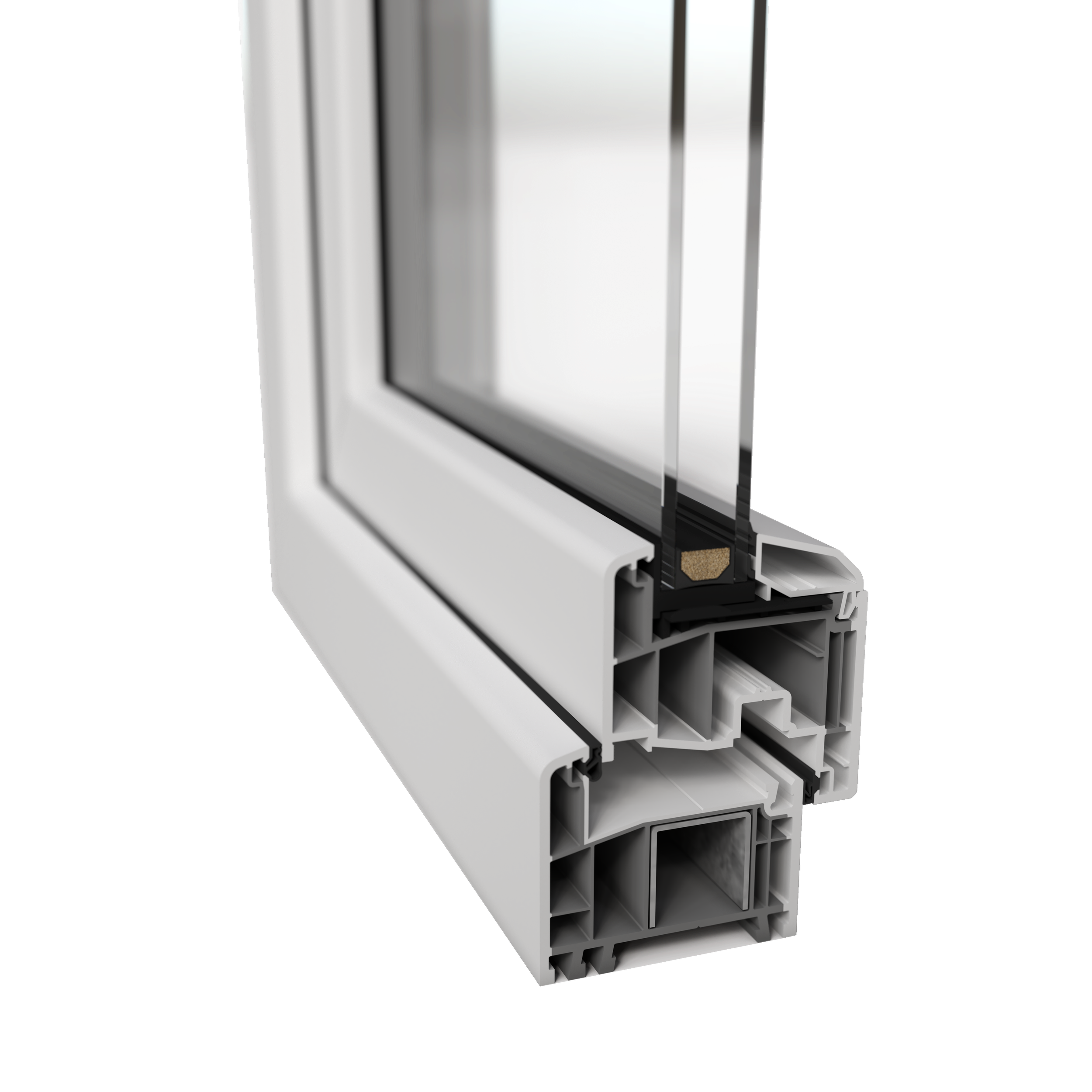
What Double-Pane Windows Actually Are
Double-pane windows use two panes of glass sealed together with a spacer bar, creating a single insulated glass unit. The gap between the panes is usually filled with a gas like argon, which insulates better than plain air. GALAA's CoreLine window system, for example, is available in a double-pane configuration for homeowners who want strong performance at a more accessible cost. Most homes replaced in Connecticut over the last two decades already have some version of double-pane glass, so this is the baseline most homeowners compare against.
What Triple-Pane Windows Actually Are
Triple-pane windows add a third layer of glass, creating two insulated air spaces instead of one. Each gap can be filled with gas, and each glass surface can carry a coating that reflects heat back into the room. More glass and more insulating space generally means a lower U-factor, the measurement of how much heat a window lets through. GALAA's ProLine window system is available with a triple-pane configuration for homeowners who want that added layer.
The Real Difference Isn't Just the Glass
It is tempting to treat "triple-pane" as shorthand for "better window." That is not always true. A well-built double-pane window with a tight frame and clean installation can outperform a poorly built triple-pane unit with a weak frame or sloppy install. Pane count is one factor in overall performance, not the whole story. Frame material, seal quality, spacer type, and how the window was set into the opening all affect how it performs once it is in your wall.
Insulation and Thermal Performance
U-factor measures how well a window resists heat flow, and it is the number worth checking first. Triple-pane glass typically lets a manufacturer reach a lower U-factor than double-pane glass in the same frame, since there is more insulating space for heat to cross. CoreLine and ProLine systems are available with U-factor ratings between 0.15 and 0.28 depending on configuration, so the real-world gap between a good double-pane setup and a good triple-pane setup can be smaller than the marketing suggests.
Winters, Summers, and Condensation
Connecticut winters put real pressure on windows. Indoor and outdoor temperatures can differ by 60 degrees or more during a cold snap, and that difference drives heat loss through glass. Double-pane windows with a good low-E coating and argon fill hold up reasonably well in most rooms. Triple-pane glass shows its advantage most clearly in rooms with large window areas, north-facing exposures, or spots where a household already notices a chill near the glass. Triple-pane windows also tend to resist condensation better during a hard freeze, since the inside pane stays closer to room temperature, though quality double-pane coatings can still perform well.
Summer matters less for pane count and more for coatings. Both glass types can be glazed to limit solar heat gain and keep rooms from overheating on humid August afternoons. Orientation to the sun plays a bigger role here than the number of panes.
Draft Reduction and Air Leakage
This is one of the most misunderstood parts of the comparison. Air leakage rarely comes from the glass itself. It comes from gaps around the frame, worn weatherstripping, or a rough opening that was not sealed properly during installation. A triple-pane window installed poorly can still leak air, while a double-pane window installed correctly, with proper flashing and a well-sealed opening, can perform tightly for decades. If drafts are your main complaint, look hard at the frame and the installer before assuming you need a third pane.
Sound Reduction
Extra glass and airspace add some sound dampening, which matters for homes near busy Connecticut roads. A bedroom facing a state route with early-morning truck traffic is a reasonable place to consider triple-pane glass. That said, no window is soundproof, and sound performance depends on more than pane count. Glass thickness, airspace width, frame construction, and how tightly the sash seals all affect how much outside noise reaches a room.
Weight, Hardware, and Light
A third pane adds real weight, and the frame, hinges, and locking hardware need to be engineered to support it over years of daily use. This is why triple-pane windows pair with reinforced frames and heavier-duty hardware rather than a standard double-pane frame. Ask how a company's hardware is rated for the glass package you're considering. On light: a third pane and extra coatings can slightly reduce visible light transmission, though the difference is usually small with quality glass. Rooms where light is a priority, like a kitchen or sunroom, are worth a direct conversation with your supplier.
Coatings, Spacers, and Gas Fills
Pane count is only one part of an insulated glass unit. Low-E coatings reflect heat while still letting light through. Warm-edge spacers reduce heat transfer at the edge of the glass, often where condensation starts first. Argon or other inert gas fills slow heat movement across the airspace. A double-pane window with a good coating, a warm-edge spacer, and a proper gas fill can outperform a triple-pane window that skimps on any of those, which is why comparing full specifications matters more than comparing the words "double-pane" or "triple-pane" alone.
Frame Quality and Installation
Glass performance only shows up in real life if the frame and installation are done right. A high-performance glass package set into a weak frame, or installed with gaps around the opening, will not deliver the comfort the label promises. Proper flashing, air sealing, and a plumb, square, level fit matter as much as the glass, regardless of pane count.
Comparison Table
| Feature | Double-Pane | Triple-PaneHigher Performance |
|---|---|---|
| Number of glass panes | 2 | 3 |
| Insulating spaces | 1 gas-filled gap | 2 gas-filled gaps |
| Thermal performance | Strong, with good coatings and gas fill | Generally higher, more insulating space |
| Indoor comfort | Good in most rooms | Steadier near large or exposed glass |
| Condensation resistance | Good with quality coatings | Generally better, warmer interior surface |
| Sound reduction | Moderate | Improved, but not soundproof |
| Weight | Lighter, standard hardware | Heavier, needs reinforced hardware |
| Natural light | Slightly higher transmission | Slightly reduced, varies by coating |
| Frame and hardware needs | Standard | Reinforced frame and hardware |
| Installation considerations | Straightforward for most openings | Frame must be rated for added weight |
| General cost level | Lower upfront cost | Higher upfront cost |
| Best uses | Moderate climates, most rooms, tighter budgets | Cold-exposed or noisy rooms, high-performance builds |
Practical Examples for Different Connecticut Homes
An older home with noticeable winter drafts. Have the frame, weatherstripping, and rough opening checked first. A tight, well-installed double-pane window often solves the draft problem on its own.
A bedroom facing a busy road. A strong case for triple-pane glass, paired with a frame and sash designed for sound control.
A sunroom or a room with large glass areas. Big glass areas lose more heat in winter and gain more in summer. Triple-pane glass with the right coating for the room's orientation is worth discussing.
A newer, well-insulated home. If the building envelope is already tight, high-quality double-pane windows may match the performance of the walls around them.
A limited budget. Double-pane glass with good coatings and a proper gas fill delivers strong performance at a lower upfront cost, leaving room in the budget for quality installation.
A house with some rooms colder than others. This often points to a specific problem area. Upgrading the glass in just those rooms, and checking for air sealing issues, is usually more practical than replacing every window at once.
Replacement Windows in Older Homes, Room by Room
Older homes across Connecticut, from Litchfield County farmhouses to Fairfield County colonials, often have openings that were never perfectly square. Replacement windows for these homes need accurate measurement and a frame built to seal against an imperfect opening, regardless of glass package. You also do not have to replace every window with the same glass. Many homeowners choose triple-pane glass for specific rooms, a street-facing bedroom, a drafty office, a sunroom, and stay with quality double-pane glass everywhere else. This room-by-room approach delivers most of the comfort benefit without the cost of upgrading the whole house at once.
Cost Factors and Long-Term Value
Triple-pane windows generally cost more upfront than double-pane windows of the same size and frame, due to the extra glass, gas fill, and reinforced hardware. Whether that cost pays off in energy savings depends on your home's exposure, local energy rates, and how well the rest of the home is insulated, so a specific savings figure cannot be promised here. What is fair to say is that a well-chosen glass package, correctly installed, tends to hold its performance for decades and adds real day-to-day comfort, a form of value beyond the utility bill.
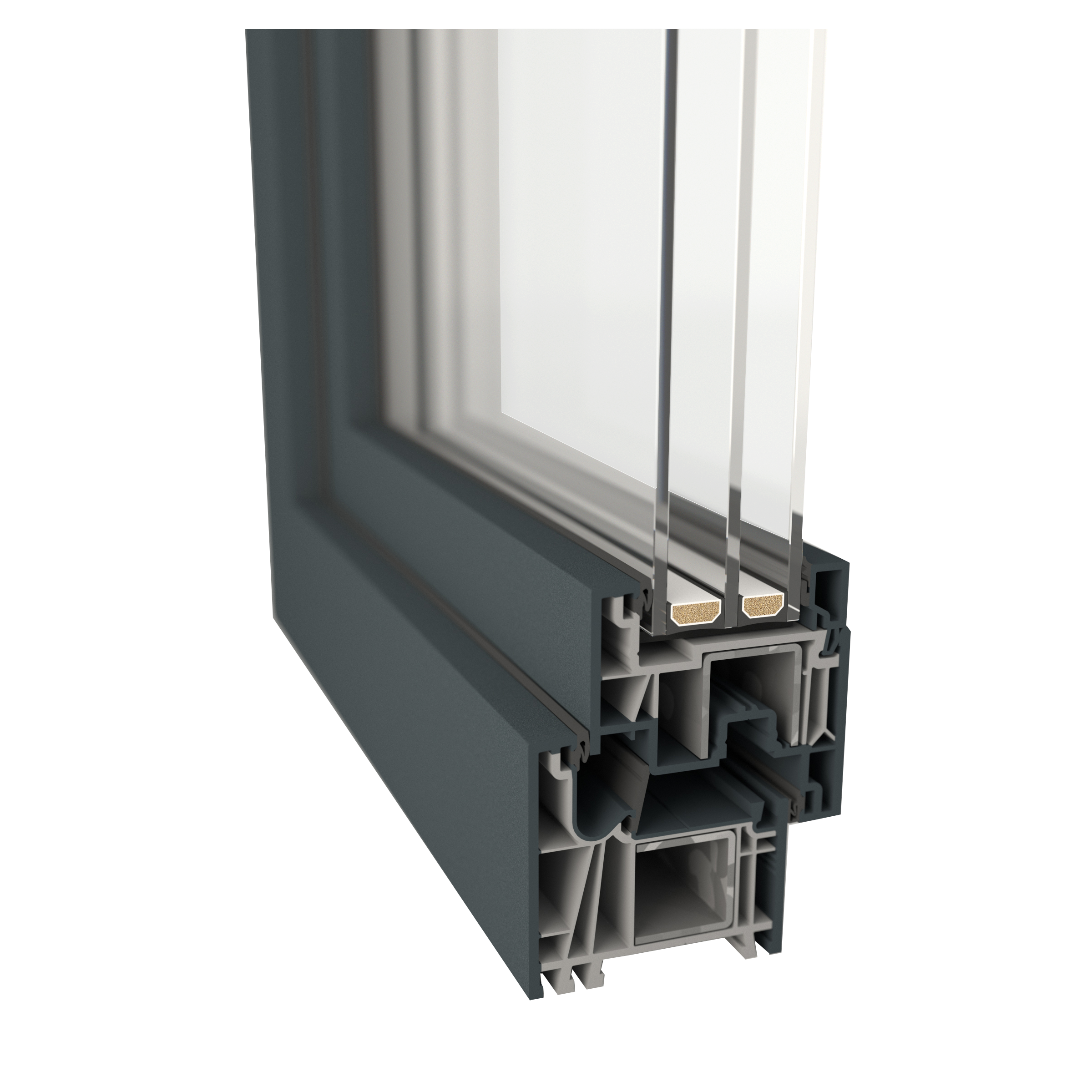
When Double-Pane May Be Enough, and When Triple-Pane Is Worth a Look
Double-pane glass, paired with a good low-E coating and gas fill, is a reasonable choice for most rooms in a moderately insulated home, for budget-conscious projects, and for homes where drafts trace back to the frame rather than the glass. Triple-pane glass is worth a closer look for rooms with large glass areas, homes near consistent road noise, north-facing rooms that run cold, and new-construction or deep-retrofit projects aiming for a tighter overall envelope.
Questions to Ask Before You Buy
What is the U-factor of the specific glass package, not just the "double" or "triple" pane label?
What spacer type and gas fill are included?
Is the frame and hardware rated for the weight of this glass package?
How will the window be installed, and what air sealing steps will the installer take?
Does this glass package make sense for every room, or just the room with the problem I am solving?
FAQ
Are triple-pane windows worth it in Connecticut?
For some rooms and homes, yes. For others, a quality double-pane window delivers similar comfort at a lower cost, depending on exposure, noise, and budget.
Do triple-pane windows stop condensation completely?
No window fully eliminates condensation. Triple-pane glass keeps the interior surface warmer, which reduces the risk, but indoor humidity also plays a large role.
Do triple-pane windows block outside noise completely?
No window is soundproof. Triple-pane glass can noticeably reduce outside noise compared to double-pane, especially with a well-sealed frame, but some sound still comes through.
Is a triple-pane window always more energy efficient than a double-pane window?
Not automatically. A well-built double-pane window with quality coatings and installation can outperform a poorly made triple-pane window. Compare full specifications, not just pane count.
Do I need triple-pane glass in every room?
It depends. Many homeowners choose it for specific rooms with drafts, noise, or large glass, and use double-pane glass elsewhere.
Are there local rebates or code requirements for triple-pane windows in Connecticut?
Requirements and incentive programs vary by town and project. Confirm current codes, permits, and any available programs with a qualified local professional before you finalize your glass package.
Talk Through Your Windows With Galaa
Deciding between double-pane and triple-pane windows does not have to be a guessing game. Contact Galaa Windows and Doors to talk through your current windows, any cold spots or condensation you have noticed, noise from outside, your comfort goals, and your budget. We will help you figure out which glass package makes sense room by room, not just window by window.
