
How Tilt-Turn Windows Improve Ventilation and Indoor Air Quality in Connecticut Homes
Good indoor air quality is vital for a safe and comfortable home. Yet many homes in Connecticut have stale air, poor airflow, high humidity, condensation, allergens, and other indoor pollutants. These issues can make your home less healthy and feel less comfortable.
Tilt-turn windows ventilation offers a simple fix. Tilt and Turn Windows support natural ventilation and steady fresh air circulation. They let fresh air in and push stale air out. They also improve home ventilation and humidity control. At the same time, they help maintain security and energy efficiency. This creates a more healthy indoor environment. In this guide, we will show how tilt-turn windows improve indoor air quality, help reduce condensation, and support Connecticut window replacement projects.

Why Indoor Air Quality Matters in Connecticut Homes
Most homeowners notice poor air quality before they think about it. A room may feel stuffy. Windows may collect moisture. Allergies may seem worse indoors than outside.
That is often a sign that Indoor Air Quality needs attention.
The air inside a home can hold many Indoor Pollutants. Dust, Allergens, pet dander, Volatile Organic Compounds (VOCs), and excess moisture are some of the most common. When fresh air cannot move through the house, these pollutants stay trapped indoors.
This happens quite often in Connecticut. During winter, homes stay sealed to keep heat inside. In summer, air conditioning keeps many windows closed. While that helps with comfort, it can also reduce airflow and limit the natural exchange of indoor and outdoor air.
Over time, poor indoor air quality can lead to respiratory discomfort, allergy symptoms, musty odors, and even Mold Growth. Moisture is often a key factor.
Good ventilation helps break that cycle. Bringing in fresh air and removing stale air is one of the simplest ways to support a Healthy Indoor Environment and improve everyday comfort.
What Are Tilt-Turn Windows?
At first glance, Tilt and Turn Windows look much like other modern windows. The difference is in how they open. Instead of working in just one way, they offer multiple opening options in a single frame.
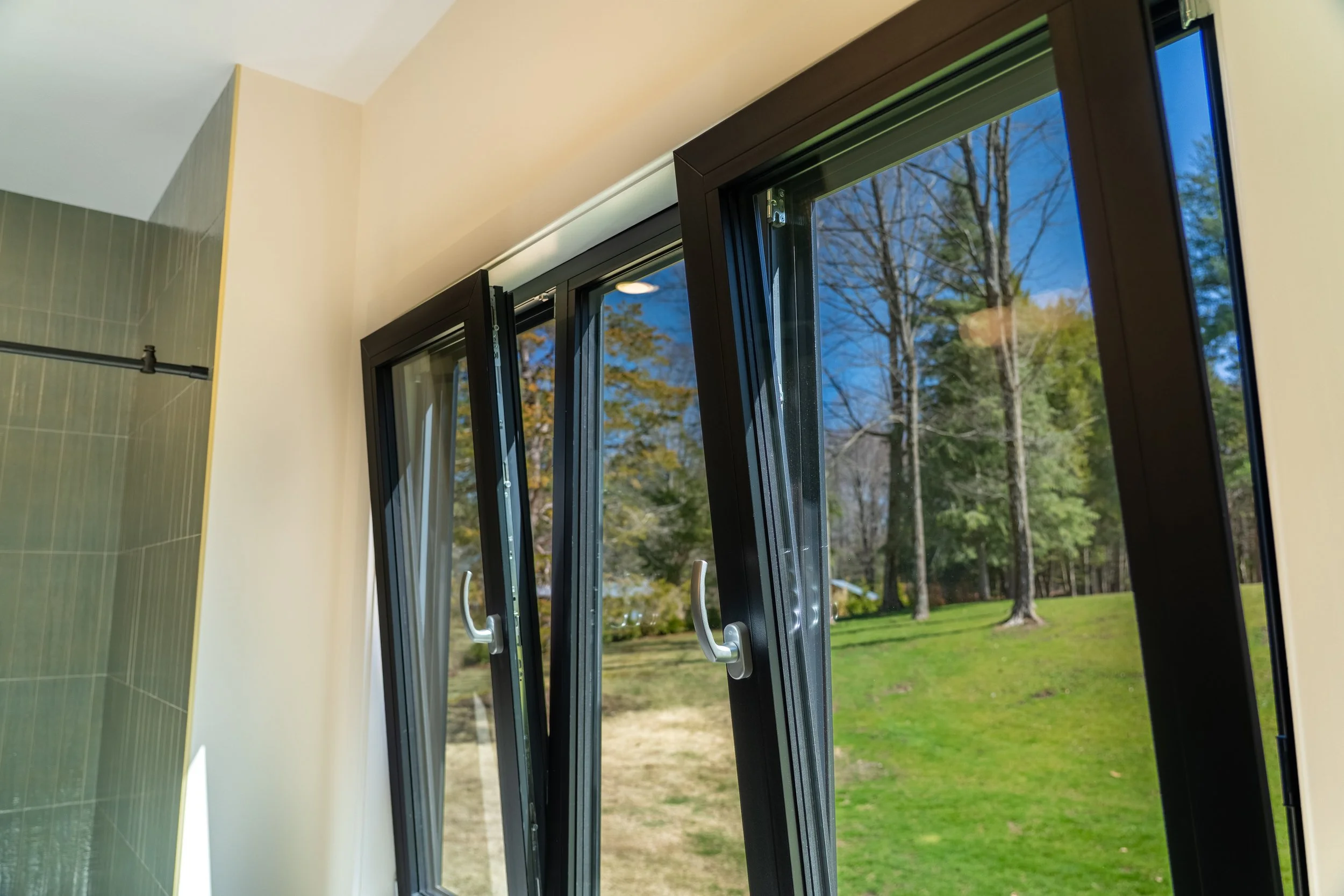
In tilt mode, the top of the window tilts inward while the bottom stays locked. This creates safe Window Ventilation and supports steady Fresh Air Circulation without opening the entire window. Many homeowners use this setting for daily Home Ventilation..
Another helpful position is Micro-Ventilation, a setting in which the window remains closed but the airtight seal is slightly broken, leaving a gap of just a few millimeters. This allows air to move in and out through that narrow gap even though the window stays locked and essentially closed, so homeowners get fresh air without opening the window wide or letting in drafts and bugs.
In turn mode, the window swings inward from the side like a door. This allows maximum Airflow, makes cleaning easier, and provides a larger opening when needed.
This European-inspired design has become popular because it combines ventilation, convenience, and security. Unlike many traditional windows, tilt-turn windows give homeowners more control over indoor comfort. They also pair well with modern energy-efficient windows designed to improve Energy Efficiency and overall home performance.
How the Tilt and Turn Mechanism Works
A single handle controls both functions. Turn the handle one way and the sash tilts inward. Turn it another way and the window swings open from the side. Most Tilt and Turn Windows also include a Multi-Point Locking System that secures the sash at several points around the frame. This added security and ease of use make them a popular choice for Window Replacement and Replacement Windows projects.
How Tilt-Turn Windows Ventilation Improves Fresh Air Circulation
One of the biggest advantages of tilt-turn windows ventilation is the way it manages airflow. In tilt mode, the top of the window opens while the rest of the sash stays secure. This creates a steady flow of fresh air without leaving the window fully open.
When looking for a small amount of air transfer, the Micro-Ventilation setting is the best fit. In this position, the window stays essentially closed and locked, but a small gap leaves just enough room for air to move in and out. This allows homeowners to get airflow without giving up security or Energy Efficiency.
Fresh outdoor air can enter through the opening while stale indoor air moves out. This continuous Air Exchange helps improve Indoor Air Quality throughout the day. Unlike a fully open window, the micro-ventilation position provides more controlled Airflow, making the indoor environment feel more comfortable.
Many homeowners also appreciate the Draft-Free Ventilation that tilt-turn windows provide. Instead of allowing strong gusts of air to rush inside, the tilted opening helps spread air more evenly throughout the room. This can be especially useful during changing weather conditions in Connecticut, when temperatures can shift quickly from one season to the next.
Another benefit is that homeowners can maintain Fresh Air Circulation without sacrificing comfort or security. The window remains partially secured while still supporting daily Home Ventilation. This makes it easier to bring fresh air into the home on a regular basis.
For homeowners looking for practical home ventilation solutions, Tilt and Turn Windows offer a simple way to improve airflow, support a Healthy Indoor Environment, and create a more comfortable living space year-round.
Supporting Natural Ventilation and Cross Ventilation
Window placement also plays an important role in indoor comfort. When Tilt and Turn Windows are installed on opposite sides of a home, they can support Natural Ventilation and Cross Ventilation. Fresh air enters through one opening while stale air exits through another.
This natural movement improves Airflow, increases Fresh Air Circulation, and supports better Air Exchange between rooms. As a result, homeowners can enjoy more effective Home Ventilation, improved indoor comfort, and reliable Window Ventilation without relying entirely on mechanical systems.
Controlling Humidity, Condensation, and Moisture Problems
Humidity is a normal part of daily life. Cooking, showering, doing laundry, and even sleeping add moisture to the air. When that moisture has nowhere to go, humidity levels can rise inside the home.
Poor ventilation often makes the problem worse. Warm, humid air can collect on cooler surfaces and create Condensation. Many homeowners first notice this on windows during cold weather. Over time, excess moisture can damage surfaces and increase the risk of Mold Growth.
This is where tilt-turn windows ventilation can help. In tilt mode, the window allows humid indoor air to escape while bringing in fresh outdoor air. This steady airflow supports better Humidity Control and ongoing Moisture Control without requiring the window to be fully open.
The benefits are especially noticeable in kitchens, bathrooms, basements, and bedrooms. These areas often experience higher moisture levels than the rest of the home. Better ventilation helps reduce damp conditions and supports effective Condensation Prevention.
Many homeowners notice the difference fairly quickly. One common observation is seeing less moisture collect on windows after improving ventilation habits. While every home is different, better airflow often plays a key role in reducing indoor humidity and creating a more comfortable living environment.
Reducing Indoor Allergens and Pollutants
Fresh air does more than make a room feel comfortable. It also helps reduce the buildup of common Indoor Pollutants. When stale air stays trapped indoors, particles such as dust, Allergens, pet dander, and Volatile Organic Compounds (VOCs) can become more concentrated.
Regular Fresh Air Circulation helps dilute these pollutants and move them out of the home. It can also reduce lingering odors that often build up in tightly sealed spaces.
For families with allergy concerns, better ventilation can make a noticeable difference. Seasonal allergens, dust, and pet dander are less likely to remain trapped indoors when there is consistent airflow and healthy air exchange.
By supporting cleaner indoor air, Tilt and Turn Windows help create a more comfortable and Healthy Indoor Environment. Combined with other good home ventilation solutions, they can play an important role in improving everyday indoor comfort and overall air quality.
The Energy Efficiency Benefits of Tilt-Turn Windows
Many homeowners worry that better ventilation means higher energy bills. In reality, modern Tilt and Turn Windows are designed to improve airflow without giving up Energy Efficiency.
A big reason is their advanced construction. Many models come with Double Glazing or Triple Glazing, which helps reduce heat transfer through the glass. This added layer of Thermal Insulation helps keep warm air inside during winter and unwanted heat outside during summer.
These windows are also known for strong Weather Sealing and excellent Air Tightness. When closed, the sash presses tightly against the frame, creating a secure seal around the window. This helps reduce unwanted drafts and supports the performance of the home's Building Envelope.
What makes tilt-turn windows ventilation different is that homeowners can introduce fresh air when needed without leaving the window wide open. The tilt position provides controlled airflow while helping maintain indoor comfort.
Over time, better insulation, tighter sealing, and more efficient ventilation can help reduce the workload on heating and cooling systems. For many homeowners, that can mean lower energy use and improved comfort throughout the year.
Why They Work Well in Connecticut's Climate
Homes in Connecticut deal with a little bit of everything. Summers can be warm and humid. Winters can be long and cold. Seasonal weather changes are common across New England.
That is why many energy-conscious homeowners choose energy-efficient windows with strong Thermal Insulation, Double Glazing or Triple Glazing, reliable Weather Sealing, and high Air Tightness. Tilt-turn windows help manage fresh air without sacrificing comfort. They support year-round Energy Efficiency while adapting to changing temperatures and humidity levels.
Why Connecticut Homeowners Choose Tilt-Turn Windows for Replacement Projects
Homeowners today want more from their windows than a new look. They want better comfort, stronger security, improved ventilation, and long-term value. That is one reason Tilt and Turn Windows continue to gain attention in Connecticut Window Replacement projects.
Their clean, modern design fits well with both older homes and newer renovations. At the same time, they offer more control over airflow than many traditional window styles. The ability to switch between secure ventilation and a fully open window is a feature many homeowners appreciate.
Energy performance is another key benefit. Combined with quality glass and proper installation, these windows can help improve indoor comfort throughout the year.
When comparing Replacement Windows, homeowners should look beyond appearance alone. Ventilation options, security features, energy efficiency, build quality, and ease of operation all matter. It is also important to consider the experience of the installer. Even high-quality windows may not perform as expected if the Window Replacement process is done incorrectly.
For many homeowners, tilt-turn windows offer a practical mix of performance, comfort, and long-term value.
Are Tilt-Turn Windows Right for Your Home?
Tilt-turn windows can be a smart choice if your home often feels stuffy or lacks consistent airflow. They are also worth considering if you deal with Condensation, excess indoor moisture, or rooms that never seem to feel comfortable.
Many homeowners choose these windows because they support better Fresh Air Circulation while maintaining strong Energy Efficiency. They can also help improve overall indoor comfort and support healthier indoor air quality.
If you are planning a renovation or Connecticut Window Replacement project, it may be worth speaking with a local window expert. They can help determine whether Tilt and Turn Windows are the right fit for your home's layout, ventilation needs, and energy goals.
Frequently Asked Questions
Do tilt-turn windows improve indoor air quality?
Yes. Tilt-turn windows improve Indoor Air Quality by increasing Fresh Air Circulation and helping remove stale indoor air. They also help reduce Indoor Pollutants, odors, and excess moisture.
How do tilt-turn windows help with ventilation?
Tilt-turn windows ventilation creates controlled Airflow through the tilted opening. This supports Home Ventilation, Air Exchange, and Draft-Free Ventilation without opening the window fully.
Can tilt-turn windows reduce condensation?
Yes. Better ventilation helps release humid air and improve Humidity Control. This can reduce Condensation, support Moisture Control, and lower the risk of Mold Growth.
Are tilt-turn windows energy efficient?
Yes. Many Tilt and Turn Windows feature Double Glazing or Triple Glazing, Thermal Insulation, Weather Sealing, and strong Air Tightness. These features help improve Energy Efficiency.
Do tilt-turn windows work well in Connecticut's climate?
Yes. Connecticut experiences hot summers, cold winters, and changing humidity levels. Tilt-turn windows help maintain comfort while supporting year-round ventilation and insulation.
Are tilt-turn windows secure when tilted open?
Yes. The tilt position allows ventilation while keeping the window partially secured. Many models also include a Multi-Point Locking System for added security.
Conclusion
Tilt-turn windows ventilation offers more than just fresh air. It helps improve Indoor Air Quality, increase Fresh Air Circulation, and support better Home Ventilation. These windows can also improve Humidity Control, reduce Condensation, and help prevent Mold Growth.
At the same time, they deliver strong Energy Efficiency through advanced insulation and secure sealing. For many Connecticut homeowners, Tilt and Turn Windows are a smart choice for comfort, performance, and long-term value. If you are planning a Connecticut Window Replacement project, consider speaking with a trusted window professional.
