Soundproof Windows for Homes Near Connecticut Highways

If you live near I-95, Route 8, or any of Connecticut's busier state roads, you already know the sound. It starts early in the morning. Trucks shifting gears. Cars accelerating past. A constant low hum that never fully goes away, even with the windows closed.
For a lot of homeowners in Plainville, Bristol, New Britain, Waterbury, and the towns running along these corridors, that noise is just part of life. But it doesn't have to be.
Soundproof windows for homes have come a long way. And if you've been putting off this upgrade because you think it's expensive, complicated, or not worth it, this guide will change your mind.
Why Highway Noise Hits Connecticut Homes So Hard
Connecticut is a small state, but it has a serious traffic problem. I-95 alone handles over 150,000 vehicles per day in some sections, according to data from the Connecticut Department of Transportation. Route 8 runs through the Naugatuck Valley, connecting Bridgeport all the way up to Torrington, cutting through dense residential areas the whole way.
The problem isn't just the volume of traffic. It's the type. Heavy diesel trucks, motorcycles, and highway speeds create low-frequency noise that travels far and passes through walls easily. Standard single-pane or older double-pane windows do very little to stop it.
Most homes built before 2000 in Connecticut were fitted with windows that were fine for their time. But they weren't built with highway proximity in mind. If your bedroom faces Route 8 or your living room sits close to an on-ramp, you're dealing with a real quality-of-life issue that a window upgrade can genuinely solve.
What Makes a Window "Soundproof"
Let's clear something up. No window is 100% soundproof. What you're really looking for is a window with a high STC rating.
STC stands for Sound Transmission Class. It's the standard measurement used to rate how well a building material blocks sound. The higher the number, the more noise it blocks.
Here's a quick reference:
| STC Rating | What You'll Notice |
|---|---|
| 25 to 30 | Normal speech clearly audible through the window |
| 30 to 35 | Highway noise noticeable but reduced |
| 38 to 42 | Significant noise reduction, highway hum muted |
| 45 and above | Strong noise reduction, most traffic barely noticeable |
Standard single-pane windows sit around STC 27. Entry-level double-pane windows get to around STC 28 to 32. High-performance triple-pane windows with laminated glass can reach STC 38 to 48.
That gap matters a lot when you live near I-95.
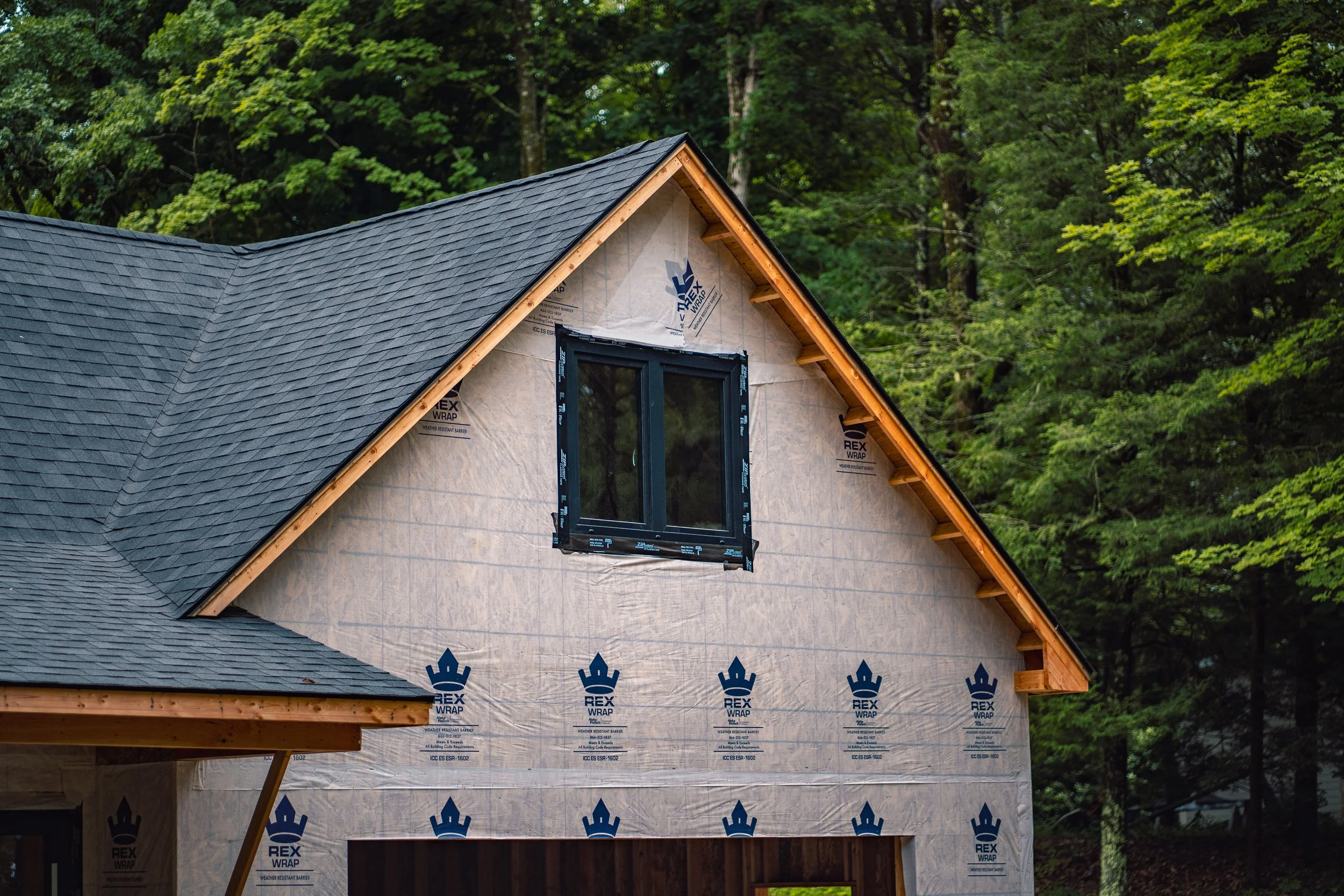
How Sound Actually Gets Through Your Windows
Understanding this helps you make a smarter buying decision.
Sound travels as vibration. When a truck passes your house, the noise creates pressure waves in the air. Those waves hit your window glass and cause it to vibrate. That vibration passes through the frame into the air on the other side, which is the inside of your home.
The factors that affect how much sound gets through are:
Glass thickness. Thicker glass vibrates less. But here's the thing, two panes of the same thickness can actually resonate at similar frequencies and let certain sounds pass more easily. This is called the coincidence effect.
Air gap between panes. A larger gap between panes creates more dead air space, which is a natural sound dampener. Windows that use argon or krypton gas between panes add even more acoustic resistance.
Frame seal quality. Even the best glass fails if the frame is leaking air. Sound travels through gaps the same way drafts do. A loose frame or worn weatherstripping can undo the benefit of expensive glass.
Laminated glass. This is where things get interesting. Laminated glass has a thin layer of PVB (polyvinyl butyral) sandwiched between glass panes. This layer absorbs vibration and dramatically improves sound insulation. You'll see it in car windshields for the same reason.
Triple-Pane Windows vs Double-Pane for Noise Reduction
This is one of the most common questions homeowners near Connecticut highways ask.
Double-pane windows are the standard today. They offer a solid improvement over single-pane, and they're energy efficient. But their STC ratings typically max out around 32 to 35, which means you'll still hear highway noise clearly.
Triple-pane windows add a third layer of glass and a second air space. When combined with laminated glass and a high-quality frame, they can reach STC ratings of 40 to 48. That's the difference between clearly hearing trucks outside and barely noticing them.
For homes within half a mile of I-95, Route 8, or Route 6, triple-pane is worth the investment. The noise reduction is meaningful, not just marginal.
There's also an energy benefit. Triple-pane windows have very low U-factors, which means less heat escapes in Connecticut winters. You're not just buying quiet, you're buying a more comfortable and efficient home overall.
GALAA Windows: Built in Connecticut for Connecticut Homes
Here's where local manufacturing actually matters.
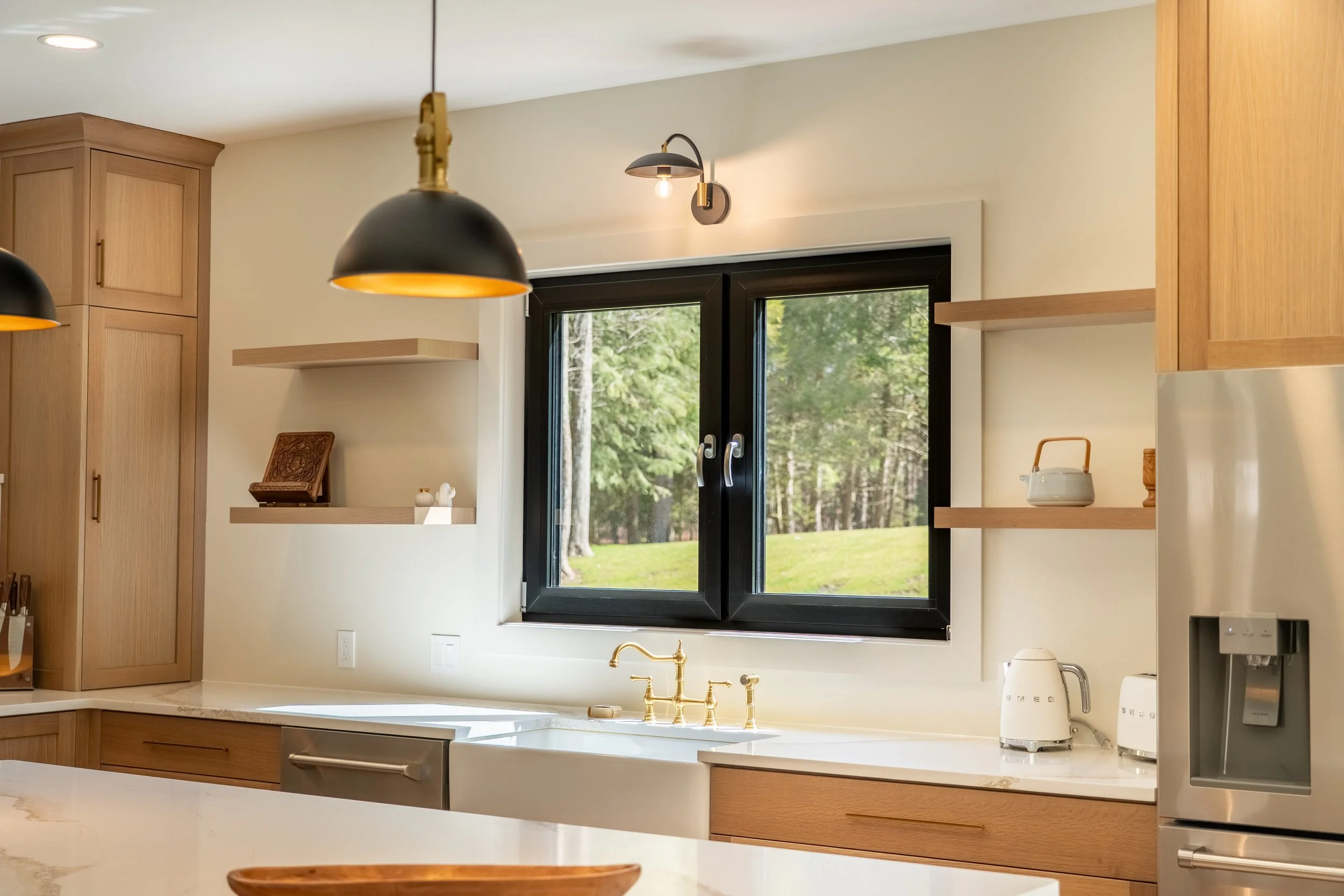
GALAA Windows and Doors is based in Plainville, Connecticut. They manufacture European-style tilt-and-turn windows right here in the state, using triple-pane glass from Cardinal Glass and multi-chamber frames from Gealan, a German frame system known for its acoustic and thermal performance.
What makes their windows stand out for homeowners dealing with highway noise is the combination of features they bring together. Triple-pane construction. Laminated glass options. Tight multi-point locking hardware from WINKHAUS that seals the frame at multiple contact points instead of just one. That full-perimeter seal is one of the biggest contributors to both noise and energy performance.
GALAA builds to exceed Connecticut's building code requirements and they design for Passive House and Net-Zero Energy standards. That level of engineering isn't just marketing language. It means their frames, glass, and seals work as a complete system rather than a collection of separate components.
For homeowners in Waterbury, Bristol, Plainville, Meriden, New Haven, and other communities along Connecticut's highway corridors, having a local manufacturer is a real advantage. You're not waiting on a distributor in another state. You're working with a team that knows the local climate, local building requirements, and the specific conditions that make Connecticut homes challenging to insulate.
You can reach GALAA directly at 860-515-7203 or browse their window options at galaawindows.com.
Window Acoustic Insulation: What to Look For When Shopping
If you're comparing options, here are the things that actually move the needle on sound reduction.
STC rating on the glass unit. Ask manufacturers for the tested STC of the complete window unit, not just the glass. The frame matters.
Laminated inner pane. Even in a triple-pane unit, adding a laminated inner pane increases acoustic performance significantly. This is because the PVB layer disrupts the vibration pattern across the glass.
Frame material and seal type. Vinyl and fiberglass frames with tight weatherstripping outperform aluminum for sound insulation. Multi-chamber frame profiles, like the ones GALAA uses from Gealan, create additional air pockets within the frame itself.
Gas fill. Argon is standard. Krypton is denser and performs slightly better acoustically. Both are better than air.
Installation quality. This one gets overlooked constantly. A premium window installed with gaps, poor flashing, or inadequate foam and caulk will underperform a mid-range window installed correctly. Always hire installers who have experience with the specific window system you're buying.
Sound Deadening Windows vs Window Inserts: Which Is Better
Some homeowners look at acoustic window inserts as a lower-cost alternative to full replacement. These are secondary glazing panels that attach inside your existing frame, creating an additional air layer.
They work. In some cases, they can add 10 to 15 STC points to a single-pane window for a fraction of the cost of full replacement.
But there are clear limitations:
They don't improve energy efficiency significantly
They can be hard to operate daily
They don't fix underlying frame leaks or rotting seals
They look like what they are, an add-on
For a home near a major highway where you want long-term performance, noise reduction, energy savings, and curb appeal to all improve together, full window replacement with a high-performance unit is the better path. It costs more upfront but pays back across multiple dimensions.
The Specific Challenge of I-95 and Route 8 Corridor Homes
Homes near I-95 in New Haven County and Fairfield County face a particular combination of noise sources. You have sustained high-speed traffic, a lot of freight trucks, and in many cases older housing stock that was built decades before highway expansion pushed residential neighborhoods closer to interchanges.
Route 8 through the Naugatuck Valley runs close to residential areas in Ansonia, Derby, Shelton, Naugatuck, Waterbury, and Torrington. Many of these homes were built in the mid-20th century when the road carried far less traffic. Today, those same homes sit near a heavily used freight corridor.
If you're in any of these towns and you're researching sound reduction windows, the good news is that your noise problem is well-defined. It's traffic noise in a specific frequency range, mostly between 500 Hz and 2,000 Hz for engine and road noise, with lower frequencies from trucks. A well-specified triple-pane window with a laminated glass layer handles this range effectively.
What to Expect After You Install Soundproof Windows
Real talk: you will still hear some noise. What changes is the character of it.
Before good acoustic windows, highway noise is present and intrusive. You hear it as a foreground sound. After installation, it often recedes to the background. You might notice it if you're listening, but it stops interrupting your sleep, your conversations, or your focus.
Many homeowners in Connecticut who have upgraded to triple-pane windows report that the change is most noticeable at night. Traffic at 2 a.m. that used to wake them up simply doesn't anymore.
That's a quality-of-life change that's hard to put a number on, but it's real.
Frequently Asked Questions
What STC rating do I need to block highway noise? For homes near I-95 or Route 8, you want a window with an STC rating of at least 38. Windows rated 42 and above will provide a very noticeable reduction in highway traffic noise. Triple-pane windows with laminated glass in this range are your best option.
Do soundproof windows also help with energy efficiency? Yes. The same features that reduce noise, extra panes, gas fills, tight seals, and quality frames, also reduce heat transfer. Triple-pane windows typically carry U-factors between 0.15 and 0.22, which is significantly better than standard double-pane windows. You'll likely see lower heating bills in Connecticut winters.
How much do soundproof windows cost? Pricing varies widely. Basic double-pane replacement windows can start around $300 to $600 per window installed. High-performance triple-pane windows with acoustic laminated glass run from $800 to $1,500 or more per window depending on size and complexity. For homes with serious highway exposure, the investment in higher-rated windows pays back in comfort and utility savings.
Can I soundproof my existing windows without replacing them? You can improve them with acoustic window inserts or by resealing frames and adding better weatherstripping. These are good short-term steps. But if your windows are older than 15 to 20 years, full replacement with a high-performance unit will deliver better results across the board.
Are tilt-and-turn windows good for soundproofing? Yes. Tilt-and-turn windows, like those made by GALAA, create a compression seal when closed because of how the hardware locks the sash into the frame at multiple points. This full-perimeter seal is excellent for both air infiltration and sound control. It's one reason European-style windows tend to outperform traditional American-style windows acoustically.
What's the difference between sound deadening and soundproofing for windows? Sound deadening reduces the intensity of noise coming through a surface. True soundproofing eliminates it completely. For residential windows, you're always in the sound deadening category. The goal is meaningful reduction, not total silence. A well-rated acoustic window near a highway will bring noise down to a level that no longer disrupts daily life.
How long does it take to install new windows in a Connecticut home? A typical single-window replacement takes two to four hours. A full-home project with a professional installer can usually be completed in one to three days depending on the number of windows. Local manufacturers like GALAA, who build in Connecticut, can often turn around custom orders faster than national brands that ship from distant facilities.
Actionable Takeaways
If you live near I-95, Route 8, or another Connecticut highway corridor and you're serious about reducing noise, here's what to do:
Start by assessing which rooms are most affected. Bedrooms and home offices facing the highway deserve the highest-rated windows you can afford.
Look for windows with an STC rating of 38 or higher and ask specifically about laminated glass options in the unit.
Get at least two quotes from local Connecticut window companies, including a manufacturer like GALAA who builds here and understands the local environment.
Don't skip the installation quality conversation. Ask how gaps will be sealed, what foam or backer rod will be used, and who is doing the work.
And if you're in the planning stages of a renovation or new build, this is exactly the right time to spec for acoustic performance rather than trying to fix it later.